Valley Pools & Spas’ Guide to Planning a Pool in Minnesota
5/18/2026
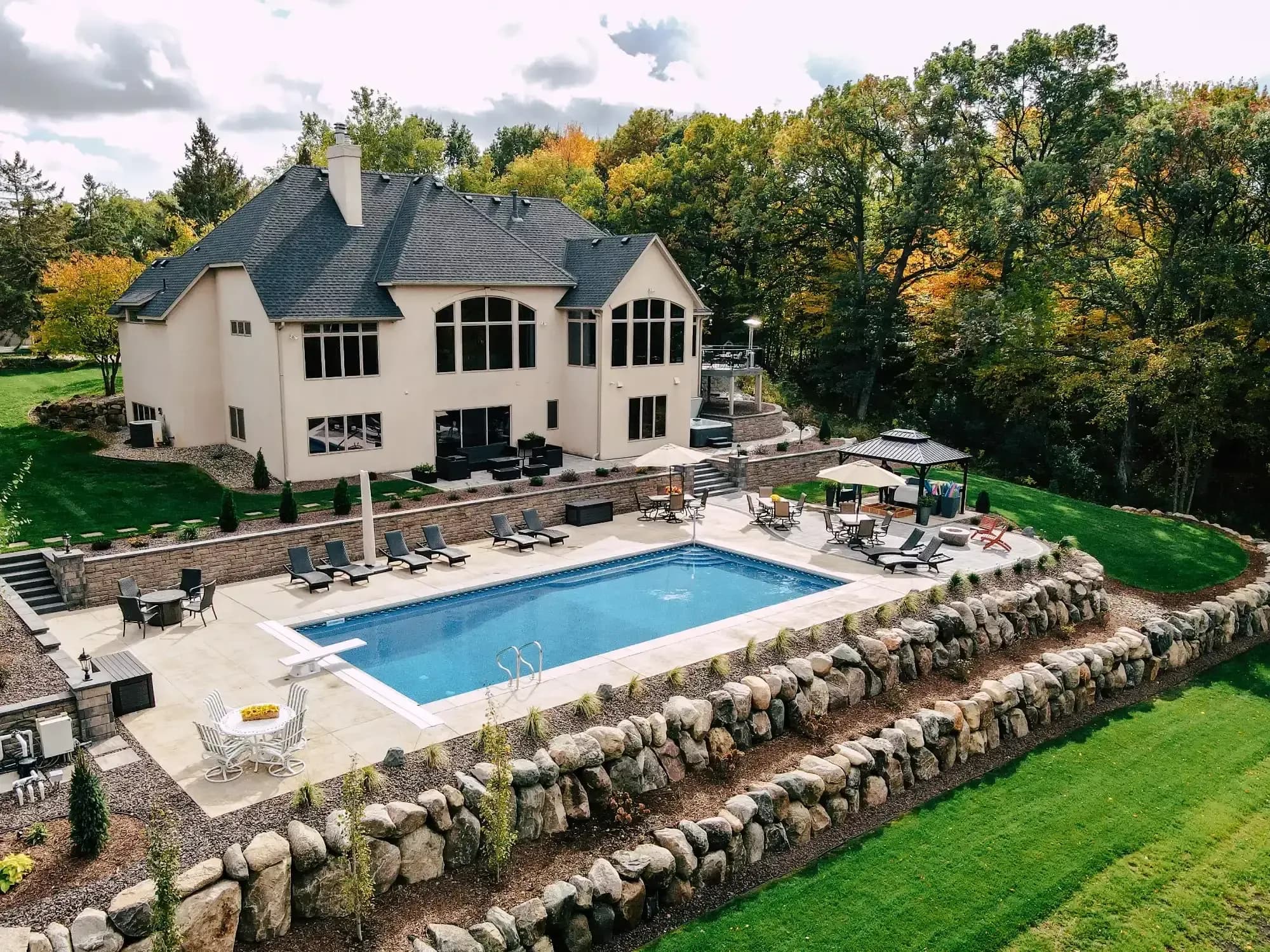
Planning Makes the Process Go Smoother
Installing a pool in Minnesota is not the same decision it is in warmer climates. Our summers are highly anticipated, intentionally lived, and the Minnesota State Fair is here before you know it. The swim season is defined, construction happens within a certain window, and ownership follows clear seasonal cycles. Those realities impact cost, timelines, and how much value you actually get from your pool long term.
This guide is designed to help you decide if a pool makes sense for your home, your budget, and how you plan to use your outdoor space. We cover costs, timelines, design options, and Minnesota specific considerations so you can plan with clarity instead of assumptions. When a pool is planned well, the value goes far beyond the upfront numbers.
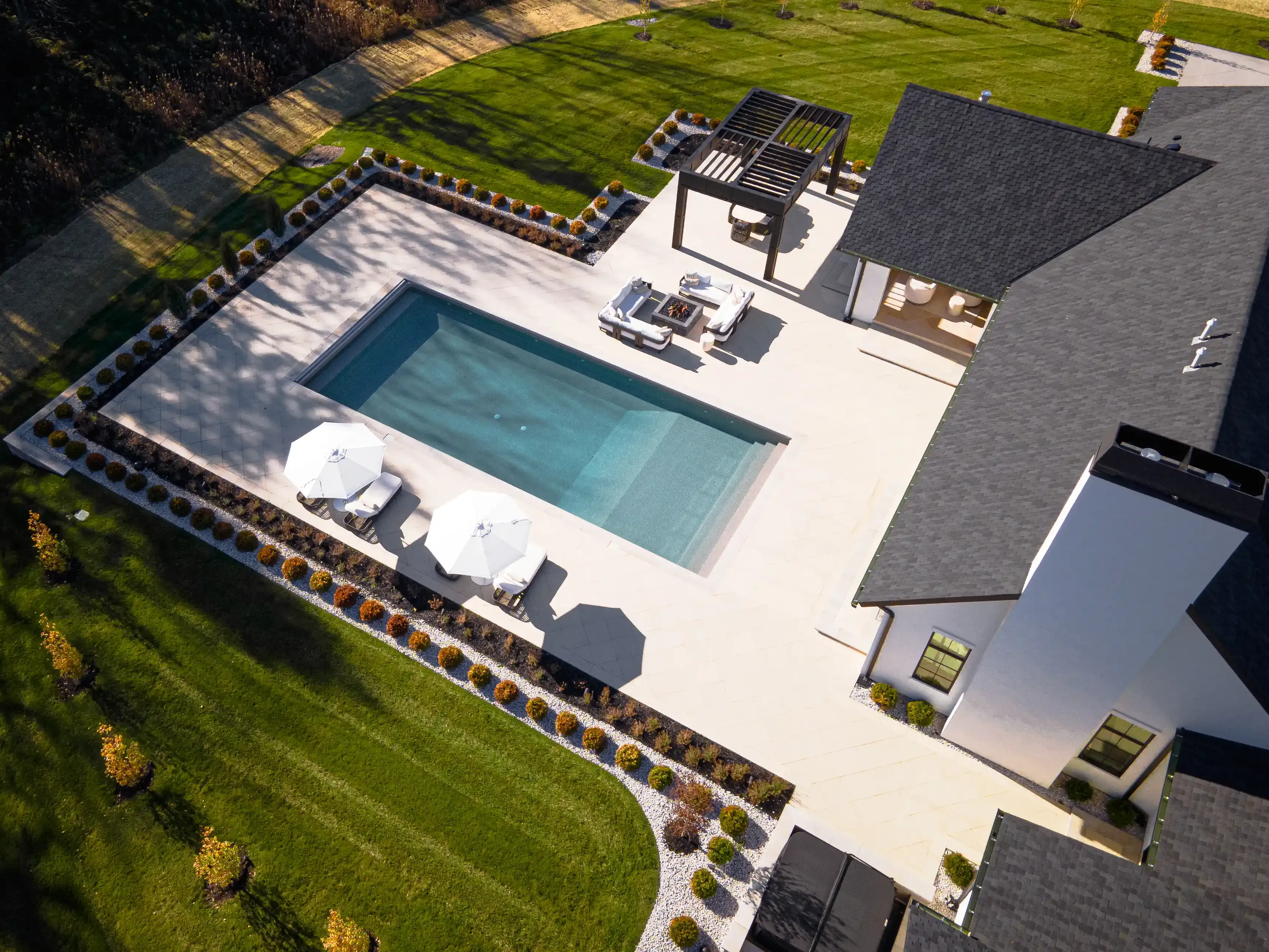
Should You Install a Pool in Minnesota? Costs & Value
Installing a pool in Minnesota requires different planning than warmer climates. The swim season is limited to warmer months, construction happens within a defined window, and ownership follows clear seasonal cycles. Those realities shape both cost and long-term value.
Bottom line: a pool makes sense when it fits your lifestyle, timeline, and how you plan to use your outdoor space. When it does, the value goes beyond the upfront numbers.
In-Ground vs Above-Ground at a Glance
In-ground pools
- Best for: long-term homeowners, higher end backyard builds, fully custom layouts
- Why choose it: permanence, customization, integrated hardscapes, strongest “finished backyard” feel
- Tradeoffs: higher upfront investment, longer build timeline, more planning
Above-ground pools
- Best for: simpler installs, faster timelines, more budget-flexible options
- Why choose it: lower entry cost, quicker setup, easier to remove or replace later
- Tradeoffs: fewer design options, often less seamless with patios/landscaping
Typical Price Ranges in Minnesota
These ranges swing based on pool type, yard access, and features. But as a high-level guide:
Installation
- Above-Ground: $18,000 - $30,000+
- In-Ground: $65,000 to $95,000+
- In-Ground Plunge Pool: $45,000 to $65,000+
Fencing & Safety Barriers
- Commonly $3,000 to $15,000+
- Depending on layout, materials, gates, and code requirements
Insurance, Liability & What Changes After Install
Contrary to popular belief, in Minnesota your Home Owner’s Insurance typically does not change when you install a pool. However, lots of our clients tend to add umbrella policies for peace of mind, but that’s a personal choice.
Valley Pools & Spas is not in the insurance business, nor are we home owner’s insurance experts. This is why you should contact your insurance provider to understand your options. And we suggest for you to do this during the planning phase of your pool build.
Long-Term Cost of Ownership
Beyond installation, ongoing costs typically include:
- Chemicals & water testing
- Utilities, especially if heating
- Pool opening & closing
- Routine maintenance such as cleaning, filters, equipment checks
- Repairs over time due to normal wear, including pumps, heaters, covers, liners
In Minnesota, seasonal opening, closing, and winter protection are recurring realities. Planning for those cycles is part of responsible pool ownership. Some homeowners choose fully managed maintenance and service. Valley Pools & Spas is among one of the few pool builders in Minnesota that offers these services post-installation.
Minnesota’s Climate & Seasonal Considerations
Minnesota’s climate plays a major role in how pools are designed, built, used, and maintained. Understanding the seasonal realities upfront helps set realistic expectations and avoids surprises down the road.
When is Swim Season in Minnesota?
Minnesota’s primary swim season is shorter than in warmer climates, but it’s still long enough to get meaningful use out of a well planned pool.
- Most homeowners swim regularly from mid May through mid September
- Heated pools and spas can extend usability into early spring and late fall
- Usage patterns tend to be more intentional, with pools serving as a summer lifestyle centerpiece rather than year round recreation
Because the season is defined, many Minnesota pool owners prioritize comfort, efficiency, and features that maximize enjoyment during peak months.
What is the Winterization Process?
Proper winterization is critical in Minnesota. Freezing temperatures can cause serious damage if a pool is not closed correctly.
- Pools are typically closed in early fall before consistent freezing temperatures
- Water levels are lowered and lines are blown out to prevent freeze damage
- Covers are installed to protect the structure and minimize debris
A professionally managed closing helps protect your investment and ensures an easier opening in the spring.
Can You Keep a Pool Open During Winter?
In most residential cases, outdoor pools are not kept open during Minnesota winters. However, there are very rare exceptions. Some homeowners choose specialized setups for extended or year round use, but this is uncommon and requires additional planning, cost, and maintenance.
What’s Required for Winter Operation?
Keeping a pool operational during winter typically requires an indoor or semi enclosed pool environment. Is it possible without one? Yes, but the costs to do so will be incredibly expensive and goes beyond just heating the pool. Typically you would need:
- Insulated walls to reduce heat loss and improve energy efficiency*
- A specialized pool cover designed to reduce evaporation and retain heat
- Dedicated heating systems and ongoing monitoring
Winter pool operation is highly specialized and best evaluated as its own planning conversation.
*Insulated walls are often chosen not just for winter use, but also for overall energy efficiency, structural stability, and long term durability.
Freeze Depth & Frost Line Effects on Construction
Minnesota’s deep frost line directly impacts how pools are engineered and installed.
- Excavation depth and structural support must account for ground movement
- Plumbing and mechanical systems are designed to handle freeze thaw cycles
- Proper construction reduces long term shifting, cracking, and settling
This is why working with an experienced Minnesota based pool builder matters. Local expertise ensures the pool is built for the environment, not just the design.
Spring Pool Opening
Spring openings typically occur once freezing temperatures are consistently behind us.
- Covers are removed and water levels restored
- Equipment is reconnected and tested
- Water chemistry is balanced and inspected
A properly winterized pool opens faster, cleaner, and with fewer unexpected issues, helping homeowners transition smoothly into swim season.
Planning Your Pool Project
Before choosing a pool style or features, it’s important to step back and plan the project around how you’ll actually use the pool, what your site allows, and how you want to invest in it.
1. Define Purpose & Use
Not all pools serve the same role. Clarifying the primary purpose early helps guide design decisions and prevents overbuilding or underbuilding.
- Entertainment: Pools designed for family fun and gatherings often include features like slides, shallow play areas, and integrated seating.
- Exercise: Lap pools or pools designed for movement prioritize length, depth consistency, and unobstructed swim lanes.
- Relaxation: Resort inspired designs focus on comfort and ambiance, including tanning ledges, water features, lighting, and spa integration.
Many homeowners blend these goals, but identifying the primary use helps ensure the design supports how you plan to enjoy the pool most.
2. Budget & On-Going Costs
Budget planning should account for both upfront installation and long term ownership.
- Installation costs: This can vary based on pool type, size, features, and site conditions
- Ongoing costs: Includes heating, maintenance, chemicals, and seasonal opening and closing
- Financing: This is common, as most homeowners choose financing options rather than paying fully out of pocket.
Setting a realistic budget early allows for better decisions around materials, features, and phasing without surprises later.
3. Lot & Site Analysis
Your property plays a major role in what’s possible.
- Yard size impacts pool dimensions, layout, and surrounding features
- Slope and grading affect excavation complexity and overall project cost
- Accessibility determines equipment access and construction logistics
A proper site evaluation helps align expectations with reality and ensures the pool design fits both the space and the home.
Permits, Codes & Safety Requirements
Installing a pool in Minnesota involves more than design and construction. Local regulations and safety standards play a major role in how and where a pool can be built. Understanding these requirements upfront helps avoid delays, added costs, and compliance issues.
Building Permits & Zoning Setbacks
Most municipalities require building permits for pool installation.
- Permits ensure the pool meets local building codes and safety standards
- Zoning rules dictate setbacks from property lines, easements, and structures
- Requirements can vary by city, county, and neighborhood
Early planning helps confirm what’s allowed on your property before design is finalized.
Fencing & Barrier Requirements
Safety barriers are required for most residential pools.
- Fencing height and gate specifications are regulated
- Self closing and self latching gates are common
- Barriers may include fencing, walls, or approved automatic covers
These requirements are designed to reduce accidental access and improve overall safety, especially for households with children or pets.
Electrical & Plumbing Permits
Pools involve specialized systems that must meet strict code standards.
- Electrical permits cover lighting, pumps, heaters, bonding, and grounding
- Plumbing permits ensure proper circulation, drainage, and winterization readiness
- Inspections are typically required at multiple stages of the project
Proper permitting helps protect both the homeowner and the longevity of the pool system.
Full Service Project Management
Valley Pools & Spas is a full service pool builder that handles these logistics on your behalf.
- Permit coordination and submissions
- Code compliance and inspection scheduling
- Communication with local municipalities
By managing the regulatory details, Valley Pools & Spas allows homeowners to focus on the design and enjoyment of their pool, rather than the paperwork.
Pool Types & Feature Options
Once you’ve established goals, budget, and site constraints, the next step is choosing the pool type and features that best support how you plan to use the space.
Sport Bottoms vs Traditional Deep End Pools
Pool depth design has shifted significantly over the years, with many homeowners now favoring sport style layouts for their flexibility.
- Traditional deep end pools feature a gradual slope down to a single deep end, typically designed for diving and classic swimming layouts
- Sport bottom pools are designed with usability in mind, often featuring a shallower profile and a central deep area
A true sport pool places the deepest point in the middle of the pool, similar to a volleyball court where the deep area sits under the net. In practice, many homeowners think of sport pools as a shallower, more versatile alternative to traditional deep end pools.
By reducing overall depth, sport pools allow for:
- Shorter ramps and extended shallow areas
- More space for standing, socializing, and games like volleyball or basketball
- Broader appeal for families, entertaining, and casual use
Today’s sport pools are highly customizable and tend to check more boxes for modern lifestyles than the single purpose designs of the past.
Pool Materials: Vinyl, Concrete & Fiberglass
Each pool material comes with tradeoffs, and the right choice depends on budget, customization needs, and long term expectations.
- Vinyl: This is a popular option in Minnesota due to cost efficiency and flexibility. Vinyl pools offer customizable shapes and are typically quicker to install
- Concrete: Allows for the highest level of customization in shape and finish, but usually comes with higher upfront costs and longer build timelines.
- Fiberglass: Factory molded shells offer fast installation and smooth surfaces, but shape and size options are more limited.
Each material supports a wide range of features, including heating systems, LED lighting, fountains, slides, and therapy jets.
Outdoor Living Space Design
A pool is often the centerpiece of a larger outdoor living environment. Additional considerations generally include:
- Landscaping and hardscaping to define zones and traffic flow
- Gazebos, Pergolas and shade structures for comfort and visual balance
- In ground & above ground spas, which remain usable even when the pool itself is closed for the winter
Planning these elements together helps create a cohesive backyard space that functions well beyond swim season.
Choosing a Pool Contractor
Selecting the right pool builder is one of the most important decisions in the entire process. The right partner helps ensure your pool is built correctly, on schedule, and with clear expectations from day one.
Questions to Ask Contractors
Before moving forward, homeowners should feel comfortable asking direct, practical questions, such as:
- How long have you been in business
- How many pools do you build each year in Minnesota
- Who handles permitting, inspections, and coordination with the city
- What does your timeline typically look like from contract to completion
- What service and support is available after installation
Clear answers upfront help set expectations and prevent surprises later.
References & Experience
Experience matters, especially in Minnesota’s climate.
- Look for contractors who’ve stood the test of time
- Look for contractors with a proven track record in similar projects
- Ask for references from recent installations, not just long past ones
- Review examples of completed pools that match your goals and property type
Local experience helps ensure the pool is designed and built for freeze cycles, seasonal use, and long term durability.
Transparent Pricing
A reputable contractor should provide clear, detailed pricing.
- Itemized estimates that explain what’s included
- Honest conversations about optional upgrades and tradeoffs
- Realistic expectations around change orders and site specific adjustments
Transparent pricing builds trust and helps homeowners make informed decisions without feeling pressured or misled.
Installation Timeline (in Minnesota)
Pool construction in Minnesota follows a seasonal rhythm. Understanding the timeline helps homeowners plan realistically and avoid disappointment around scheduling and first use.
What's the Best Season for Construction?
If you want to enjoy your pool the same year it’s built, timing matters.
- Most pool construction begins in spring once the ground has fully thawed.
- To secure an earlier start date, many homeowners finish their project planning the prior fall, or over the winter when there is less competition
- Starting earlier in the season increases the likelihood of swimming the same summer
- Late season starts, typically August or later, may push first use into the following year depending on weather and project scope
Planning discussions often begin months before construction to secure a spot on the schedule.
How Long Does It Take?
On average, pool installation in Minnesota takes several weeks once construction begins.
- Simple projects may move faster under ideal conditions
- More complex designs, site challenges, or weather delays can extend timelines
- Permitting, inspections, and subcontractor scheduling all factor into the total duration
While exact timelines vary, Valley Pools sets realistic expectations upfront to help reduce stress throughout the build.
Typical Project Stages
Most pool installations follow a similar sequence:
- Design finalization and permitting
- Excavation and site preparation
- Pool structure installation
- Plumbing, electrical, and mechanical systems
- Decking, coping, and surrounding finishes
- Final inspections and startup
Weather can impact pacing at any stage, which is why flexibility is built into most Minnesota pool projects. Valley Pools prefers to underpromise and overdeliver whenever possible.
Maintenance & Long-Term Ownership
Owning a pool in Minnesota comes with seasonal responsibilities, but with the right planning and support, long term ownership can be simple and predictable.
Winter Care
Minnesota winters make proper off season care essential.
- Pools must be properly closed to protect plumbing, equipment, and surfaces from freeze damage
- Covers help prevent debris buildup and reduce spring cleanup
- Off season checks can help identify issues early
Correct winter care protects the pool’s structure and reduces costly repairs down the line.
Routine Maintenance Tasks
During swim season, routine upkeep keeps the pool safe, clean, and enjoyable.
- Monitoring and balancing water chemistry
- Cleaning filters, skimmers, and surfaces
- Inspecting equipment and circulation systems
Some homeowners prefer to handle these tasks themselves, while others choose professional maintenance support for consistency and peace of mind.
Seasonal Service Options
Seasonal services help simplify ownership, especially in a climate with defined opening and closing periods.
- Professional spring openings to get the pool ready for use
- Fall closings to prepare for winter conditions
- Ongoing service plans for maintenance, repairs, and support
Valley Pools & Spas offers service options designed to support homeowners well beyond installation, helping ensure the pool remains an asset for years to come.
Minnesota-Specific Considerations
Beyond general pool planning, there are a few Minnesota specific factors homeowners should account for early in the process.
Local Zoning Examples
Zoning requirements vary by city and can influence pool placement and design. Common local considerations include:
- Minimum setback distances from property lines and structures
- Easement restrictions that limit where pools can be installed
- Impervious surface limits that factor in decking and hardscaping
Cities may also differ on requirements for covers, fencing placement, and accessory structures. Reviewing these details early helps avoid redesigns later.
HOA Considerations
If your home is part of a homeowners association, additional approvals may be required.
- HOAs can have rules around fencing styles, pool visibility, and landscaping
- Some require formal design reviews or board approval before construction
- Timelines can be impacted if HOA approvals are not planned for in advance
It’s important to understand HOA requirements alongside city regulations to keep projects moving smoothly.
Insurance, Liability & Coverage
In lots of cases, installing a pool in Minnesota does not change your homeowner’s insurance policy. However, some homeowners choose to add an umbrella policy for added peace of mind, but this is a personal choice.
Valley Pools & Spas does not provide insurance guidance, so we recommend contacting your insurance provider during the planning phase to understand your coverage options.
From Planning to First Swim
Installing a pool in Minnesota is a big decision, but with the right planning and the right partner, it can be a smooth and rewarding process.
From understanding Minnesota’s climate and seasonal timelines to choosing the right pool type, navigating permits, and planning for long term ownership, the key is setting realistic expectations early and working with an experienced local builder.
If you’re exploring pool options and want guidance tailored to your home, Valley Pools & Spas offers free, no obligation consultations to help you evaluate your space, goals, and budget. When you’re ready, our team is here to walk you through the next steps with clarity and confidence.
Learn more about: